
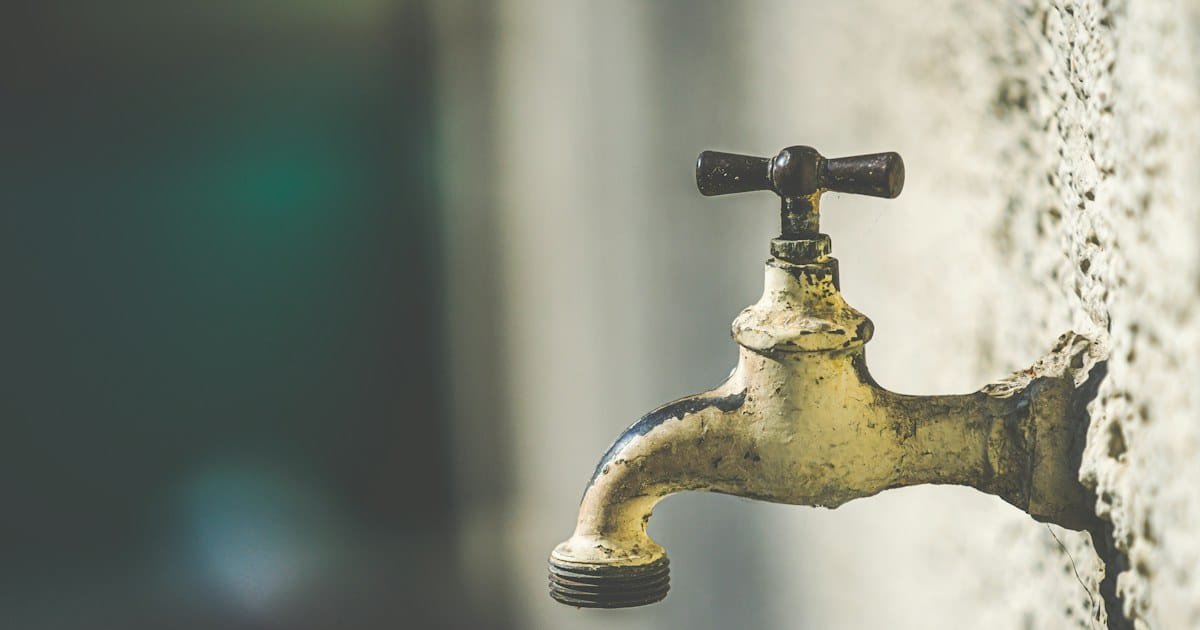
Hands-on home maintenance | October 13, 2026. Prepare outdoor water connections before freezing weather, without guessing about hidden plumbing.
Why a garden faucet can turn into a winter repair
The faucet on an outside wall is easy to forget after the last garden chore. It worked during summer, so it is tempting to leave the hose attached and walk away until spring. But water remaining in a hose, an exterior valve or an exposed supply line can freeze, expand and damage plumbing. The U.S. Environmental Protection Agency recommends unscrewing hoses, draining outdoor spigots and shutting off their supply or using suitable insulation before freezing weather. A cold-weather failure may stay hidden until the line thaws and water starts flowing into a wall or basement. A simple fall routine therefore deserves more attention than another quick lawn cleanup. This guide explains how to recognize common faucet types, prepare a safe inspection, disconnect accessories and know when a plumber is the sensible choice. The exact steps depend on your home’s plumbing layout and the manufacturer’s instructions. If you do not know which valve controls the faucet, do not guess by twisting random pipes or valves.
First identify what is installed
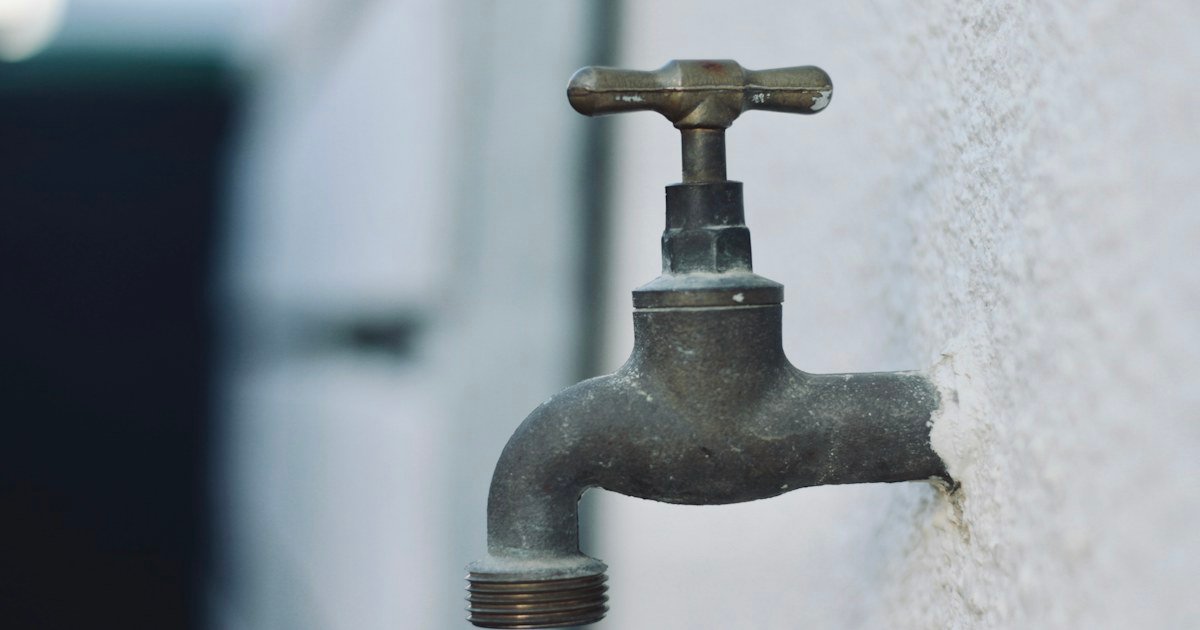
A traditional hose bib often has a valve mechanism close to the exterior handle, while a properly installed frost-resistant sillcock positions its shutoff farther inside the protected building envelope. The exact design varies, and the word frost-free is not a promise against every misuse or severe condition. Look for markings on the faucet body, any instruction label, or documentation left by the installer. If the faucet projects outward at a downward angle, that alone does not prove it is frost-resistant. Many styles look similar from several feet away. Identify whether the exterior fixture serves a garden hose, irrigation line, pressure-washer connection or other equipment. Note whether a vacuum breaker or backflow device is fitted. Those components may need their own care and must not simply be removed or bypassed without understanding their purpose. A photo taken in daylight may help you research the correct manufacturer’s instructions. When plumbing runs behind a finished wall and cannot be identified confidently, ask a qualified plumber rather than experimenting.
Disconnect the hose while the weather is still mild
Start by turning off the faucet fully and removing the garden hose. Sometimes the hose coupling is stuck because of corrosion or mineral buildup. Do not apply extreme leverage that could twist a pipe inside the wall. If hand pressure does not free it, stop and assess the fitting, and seek help if the pipe begins to move. After removal, drain the hose thoroughly by stretching it over a gentle slope or lifting sections to move trapped water out. Empty and drain spray wands, nozzles, timers and splitters. Keep accessories in a dry place where water cannot remain trapped inside valves and plastic housings. Check washers and connector threads while parts are disassembled so minor problems can be addressed before spring. Store a hose in a loose coil rather than sharply folding it, and keep it away from heat sources and chemical products. These steps are simple but important because attached hoses can prevent drainage in certain faucet designs.
Find the indoor shutoff if your setup has one
Many older homes have a separate valve in the basement, crawlspace or utility area controlling an outdoor spigot. Other homes have different plumbing arrangements. Trace the accessible pipe carefully, without moving insulation or opening electrical equipment, and look for a clearly identified isolation valve. A shutoff that you cannot identify should not be operated casually, especially if it could affect a boiler, sprinkler system or another fixture. If you know the correct valve and the instructions for your installation call for it, close that valve, then use the exterior faucet to relieve remaining water and allow the line to drain as directed. Some systems provide a small drain fitting on the interior shutoff; follow the manufacturer’s instructions and place a container underneath if applicable. Never assume that turning the outside handle alone empties a supply pipe running through an unheated wall. If the valve leaks, feels seized or requires force, stop and arrange professional service.
What about a frost-free sillcock?
A frost-resistant faucet is designed to reduce freezing risk when installed correctly, but it still depends on proper use. It may need a slight outward slope and unobstructed drainage, and a connected hose can hold water where it should not remain. Follow the manufacturer’s operating and winterization recommendations for your exact fixture. Where an indoor isolation valve exists, local cold-weather guidance may still recommend turning it off and draining the line. Do not assume that a foam cover solves a poorly installed fixture or standing water trapped inside a connected attachment. Inspect the area around the wall penetration for gaps, moisture or movement. A fixture that spins loosely, drips from an interior connection or shows unexplained water staining needs attention before deep cold arrives. The most expensive part of a faucet problem is not always the small exterior component. Water entering a wall cavity can damage insulation, flooring and finishes before anyone notices.
Insulating covers: useful, but not magic
An inexpensive insulated faucet cover can provide an extra layer of protection for some fixtures, especially where exterior components are exposed to wind. It should be correctly sized and fastened according to its instructions. Do not use it as a substitute for shutting off and draining lines when those steps are required. Inspect the cover for poor contact, broken straps or gaps. A loose cover that blows away during a winter storm is not providing protection. If your climate, building design or plumbing layout creates a high freeze risk, a plumber can assess whether insulating exposed pipes, changing the valve design or improving the shutoff arrangement is more effective. Avoid placing combustible materials against heaters or making unauthorized alterations to electrical heat-trace equipment. Small accessories can help as part of a sensible system, but the first question remains whether water can become trapped in a vulnerable section of pipe.
Check for leaks before the first hard freeze
Once the hose is off and your normal system is operating, look for visible drips around the faucet body, handle packing and wall penetration. Indoors, inspect the accessible pipe nearby for damp insulation, greenish deposits on copper, rust, a wet floor or a slow recurring stain. Do not remove wall coverings solely to hunt for a problem when no evidence suggests one; instead monitor known trouble spots and request an evaluation if signs are present. The EPA advises checking plumbing for leaks and reviewing water-use information for unexplained increases. If a faucet leaks only while running, that may indicate a different problem from a fixture that drips while fully closed. Describe the symptom accurately rather than guessing which part has failed. A photograph and a short note about when the leak appears can save diagnostic time. Avoid aggressive tightening that may damage a fitting already weakened by age or corrosion.
Rain barrels and outdoor water accessories
Rain barrels, garden timers, hose reels, portable pumps and irrigation attachments deserve the same attention as the faucet. Penn State Extension specifically recommends emptying and disconnecting rain barrels for winter, because water freezing inside the container can damage it. The guidance says to do that before the area’s typical first hard freeze and reconnect after freeze risk has passed in spring. Disconnect associated hoses, empty drainable fittings and follow the instructions supplied with the barrel or diverter. Do not pull apart a gutter connection in a way that leaves roof runoff aimed at a foundation. Restore the appropriate downspout path or follow the accessory manufacturer’s winter-bypass procedure. Portable devices may retain water in small chambers even after a hose appears empty. Read their manuals and store them as directed. Taking photos during disassembly can help you put the system together correctly when warm weather returns.
When the property will sit vacant
A winter home left empty can face very different risks from one occupied every day. Lower heating settings, undetected leaks and delayed response to a frozen pipe can increase the consequences of a failure. A general exterior-faucet checklist is not enough for an unoccupied building or a seasonal cabin. Discuss full winterization with a plumbing professional who can evaluate domestic supply lines, heating systems, irrigation and appliances. Insurers may also have policy conditions relating to vacancy, heating or periodic inspection; ask your insurer rather than relying on a generic online summary. Never drain or disable a hydronic heating system without appropriate expertise. Even the location of the main water shutoff and how to access it should be established before leaving. Provide a trusted contact with an emergency plan and arrange inspections appropriate to the property. Winter preparation is not merely about saving a hose. It is about detecting or preventing damage when nobody is nearby to see water running.
What to do if you suspect a frozen or burst pipe
If a pipe appears frozen, do not use an open flame or a torch to thaw it. National Weather Service cold-weather guidance cautions against open flames and describes safer warming methods with appropriate care. If there is a visible break or water is leaking, close the correct water supply valve if you can do so safely and contact a plumber. Keep electrical safety in mind; do not walk through water near outlets, appliances or energized equipment. If the pipe is not accessible or you are unsure how to manage the situation, professional help is appropriate. Pressure buildup, hidden ice and a thawing crack can create an unexpected leak. After repairs, inspect adjacent material for moisture and ask about drying or remediation when necessary. Homeowners should not assume that the absence of a current drip proves there was no damage. Document the event and consult their insurer promptly if a loss occurred.
The tools you actually need for routine preparation
For many homeowners the useful kit is modest: work gloves, a bucket, a flashlight, an absorbent cloth, a phone for reference photos and a place to store the drained hose. A correctly sized faucet cover may be useful if recommended for the installation. A small label can help identify the indoor isolation valve so nobody has to search next autumn. A moisture meter or specialized plumbing tools are not required to disconnect an ordinary hose. More complicated work, such as replacing a frost-free sillcock or modifying a supply line, can require knowledge of pipe materials, shutoff procedures and local plumbing requirements. Don’t buy tools simply because an affiliate article claims that every household needs them. Match the purchase to a specific problem you have confirmed. If you eventually need a replacement faucet or repair components, verify sizing and compatibility before ordering to avoid a drawer full of useless parts.
A practical 15-minute fall routine
Pick a dry day before freezing temperatures are expected. Confirm the faucet is turned off, disconnect the hose and drain all water from accessories. Store hoses, splitters and spray attachments. Check the faucet body, wall penetration and accessible indoor piping for movement or visible leaks. Locate and label the correct indoor shutoff if one exists, then follow the manufacturer’s instructions for draining the line. Empty and disconnect rain barrels or water accessories according to their documentation. Fit an appropriate protective cover if the system calls for one. Take a final photo of the area so you know its condition at the start of winter. Then make a note to revisit the faucet after a significant freeze-thaw cycle and in spring before reconnecting anything. These small checks work best as a recurring habit, not a frantic task on the night of a weather warning. If anything seems damaged or unfamiliar, stop and seek help.
What matters most for older homes
Older houses often have layers of repairs, unfinished work or unusual plumbing paths that make a textbook diagram less helpful. A supply line may pass through an unheated garage, behind a basement ceiling or along a masonry exterior wall. The current faucet may not be the original one, and an older shutoff may not close completely. Approach the job by learning how your own system is laid out, not by forcing steps intended for a different fixture. Start with visible, reversible work such as disconnecting a hose and clearing stored accessories. When the procedure involves concealed piping, a failing valve or structural water damage, have a plumber inspect it. A successful winterization job is boring: no crack, no leak, no unexpected wall stain and a faucet ready for spring. That is worth far more than a quick shortcut that saves five minutes in October and causes a repair in January.
Sources and further reading
Penn State Extension: rain barrel winter maintenance; State guidance on winter weather protection; National Weather Service: after extreme cold; EPA WaterSense home maintenance.
Featured photo: Patrick Pahlke / Unsplash. No product or affiliate compensation was involved in this article.



0 Comments