
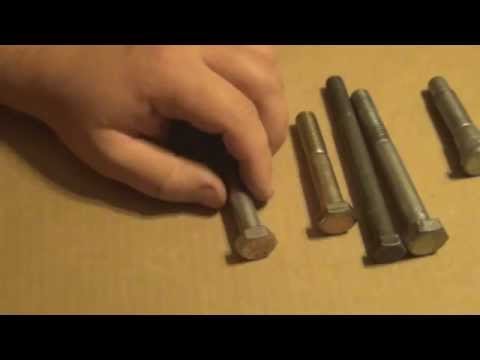
In this practical video, Handyman Problem Fixer explains how to determine a bolt’s size and strength, including the difference between metric and inch hardware. Getting the measurements right can prevent damaged threads, stripped fasteners, and unsafe substitutions.
Watch the Original Handyman Problem Fixer Video

Watch on YouTube. This is a written companion guide using the original video’s description and general maintenance information, not a transcript.
Identify inch or metric threads
Start with the bolt’s outside thread diameter and length, then determine thread pitch. Metric threads are generally specified by pitch in millimeters, while inch threads usually specify threads per inch. Similar-looking bolts may not interchange even when they almost start into a hole.
Use a thread-pitch gauge
A pitch gauge can help match the thread form. A nut-and-bolt thread checker with known sizes can also be convenient at a workbench. Never use force to test an uncertain fastener in an expensive cast or machined component.
Strength markings matter
Fastener heads may carry markings indicating grade or property class. This affects tensile strength, tightening, and how the fastener is used. Replacement hardware must meet the equipment manufacturer’s grade, thread engagement, corrosion, coating, and torque requirements rather than simply fitting the hole.
Confirm the correct length
Measure the appropriate length according to the head style and fastener specification. Too-short fasteners may not engage enough threads; too-long bolts can bottom in blind holes or hit internal parts. For steering, brakes, suspension, and other safety-critical uses, do not substitute unverified hardware.
Relevant Amazon Tools and Accessories
Affiliate disclosure: As an Amazon Associate I earn from qualifying purchases. These are affiliate links; Handyman Problem Fixer may earn a commission from qualifying purchases at no additional cost to you. These links open Amazon search results rather than specific product listings, so verify model compatibility and current availability.
The originally supplied links #3 and #4 both resolve to digital-caliper searches. There is not yet a verified thread-gauge affiliate link.
See additional repair videos and written DIY guides.



0 Comments