
Handyman Problem Fixer | Safety-first DIY guide | October 17, 2026. No product endorsements or affiliate links are required for this article.
Why lint removal matters more than it looks
A clothes dryer moves heated air and moisture from damp laundry through an exhaust path. Lint is made of tiny fibers that can accumulate in the screen, inside the appliance or along ductwork. Excess buildup and restricted exhaust can create fire and performance hazards. The U.S. Fire Administration identifies failure to clean as an important contributing factor in home clothes-dryer fires. The practical homeowner routine is straightforward: check the lint screen with each load, watch for signs of restricted exhaust and arrange periodic inspection and cleaning of the vent path. The complicated part is knowing where safe maintenance ends and when a qualified appliance technician or vent professional should take over. It is not necessary to dismantle a dryer to start making the laundry area safer.
Start with the lint screen every cycle
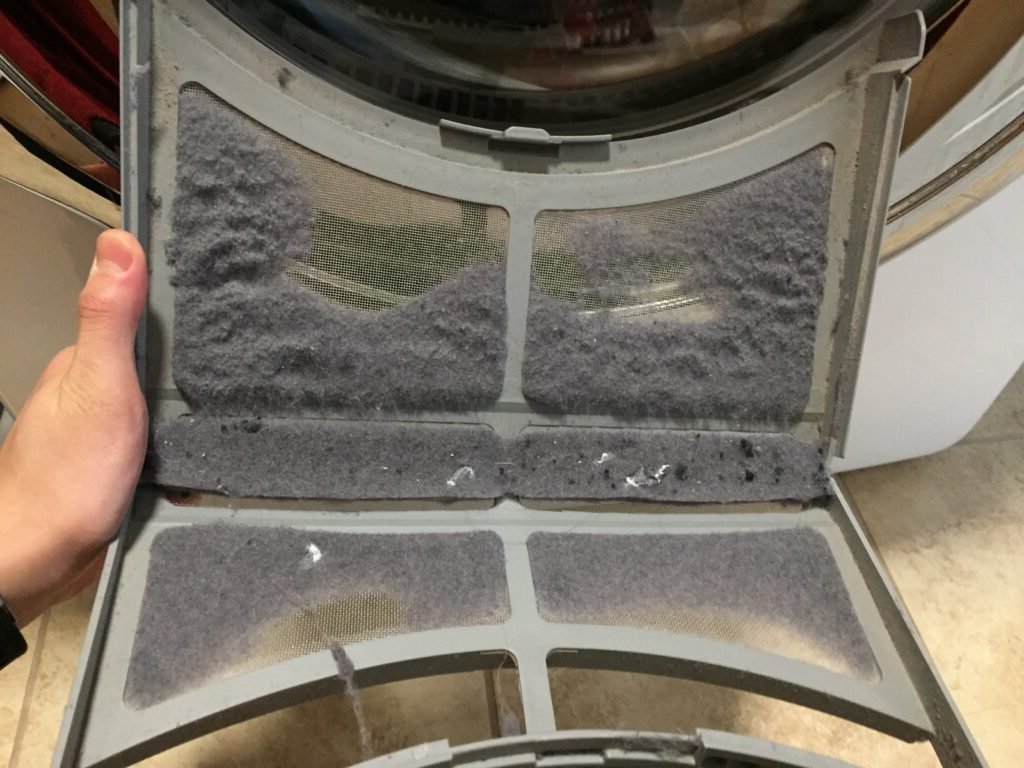
Locate the manufacturer’s removable lint screen and take it out as directed. Before or after each load, remove accumulated lint, inspect the mesh and replace it securely before operating the dryer. The U.S. Fire Administration recommends cleaning the lint filter before and after each cycle and never running the dryer without the filter installed. If the screen is torn, missing or warped, order the correct replacement for the dryer model. Do not improvise with fabric, paper or a screen from a different machine. A clogged screen can slow airflow even when the rest of the duct is clear, so the simplest routine has considerable value. Put collected lint in the trash instead of allowing it to gather behind the machine.
The exhaust route deserves equal attention
The vent path usually connects the dryer to an exterior exhaust termination, but the route can vary dramatically among houses. A short, straight connection is easier to inspect than a long run with multiple bends concealed inside walls or ceilings. The U.S. Fire Administration advises checking the venting system behind the appliance for damage, crushing or restriction and checking that the exterior covering opens during operation. A hose pinched behind a dryer may reduce airflow even when the lint screen is spotless. A bird nest, trapped debris or a stuck exterior flap can also create a problem. If the vent is inaccessible, built into a complicated structure or has an unknown route, professional assessment is safer than blindly pushing tools through it.
Signals that the vent may be restricted
Pay attention if loads seem to take longer than usual to dry, clothing feels unusually hot, the laundry area becomes humid, or the machine stops due to temperature protection. These are potential clues, not a definitive diagnosis of lint blockage. Other causes include overloading, sensor problems, a failed heating component or a damaged blower. Do not defeat a temperature cutoff or keep running the dryer repeatedly while it shows signs of overheating. If you smell burning, see smoke or notice unusual heat at an outlet, stop the machine when safe to do so and get professional help. Contact emergency services for smoke or a suspected fire. An appliance that still spins does not necessarily have a safe exhaust path.
A safe visual inspection behind the machine
Turn the dryer off and follow the manufacturer’s instructions for safely disconnecting power before moving or inspecting it. Gas appliances have additional fuel-line and venting hazards; do not disturb gas connections without proper qualification. Never pull a dryer by its power cord or stretch a gas line. With adequate space and lighting, look for lint buildup, a crushed transition duct, loose connections and combustible clutter around the rear of the appliance. Do not block access to a gas shutoff or electrical receptacle. If a connection is hard to reach, consult a professional rather than climbing behind an unstable heavy machine. A visual inspection should not require putting your hands near moving parts or energized components.
The outdoor hood can tell a story
From a safe ground-level position, locate the exhaust outlet and see whether its flap opens when the dryer is running. The air outlet may be on an exterior wall or another permitted location. Never climb a ladder or roof to inspect a high outlet if you cannot do so safely. Do not install improvised mesh or a screen that traps lint; follow the dryer and vent manufacturer’s instructions and applicable codes. If the flap is damaged, blocked, frozen or consistently fails to open, do not assume the problem will disappear with a hotter cycle. Have the vent path evaluated. Check from a safe distance for visible nesting activity, loose termination components or signs that the vent discharges into an attic or crawl space instead of outside.
Cleaning the vent without damaging it
The right cleaning method depends on duct material, length, number of turns, connection type and access. Some homeowner vent kits are designed for specific applications, but an improperly used brush can disconnect a duct in a concealed space or become trapped. Before buying a kit, inspect the manufacturer’s instructions and determine whether the vent route can be accessed and verified. Never force a tool around a blind bend or cut through a hidden wall based on guesswork. A service professional can inspect the entire route, handle disassembly safely and make sure the duct is reconnected correctly. Periodic cleaning should be coordinated with machine servicing, especially when a dryer has demonstrated abnormal temperatures or repeatedly trips safety controls.
What to keep away from the laundry area
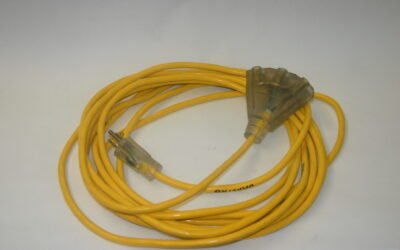
Lint is not the only combustible material that can accumulate around a dryer. Keep paper, clothing, cardboard boxes and stored cleaning supplies away from heat-generating equipment. The U.S. Fire Administration advises plugging major appliances such as washers and dryers directly into wall outlets, not using extension cords that may overheat. Do not pile folded laundry over vents, cover access panels or stack belongings behind the machine. Keep the laundry area clear enough for basic inspection and a safe exit. If an outlet becomes loose, discolored or hot, stop using it and have a qualified electrician assess the problem. Electrical repairs are not part of routine lint-screen cleaning.
Gas and electric dryer differences
Both types need clear exhaust pathways, although equipment details and installation requirements differ. A gas dryer also requires safe gas supply and combustion-related arrangements. Do not treat any smell of gas as a minor appliance inconvenience; leave the area and follow utility emergency instructions without creating ignition sources. Electric dryer circuits can carry high loads, so adapter plugs and household extension cords are not suitable substitutes for properly installed circuits. If moving homes or buying a used appliance, confirm vent compatibility and manufacturer specifications before connecting it. Installation instructions take priority over a generic Internet diagram because manufacturers may require particular clearances, connections or exhaust materials.
A maintenance plan that is easy to keep
Make lint-screen cleaning a normal part of each load. Periodically look behind and around the machine for clutter or visible damage without disturbing unsafe connections. Check the exterior termination where safely accessible. Record when a qualified provider last cleaned the duct, particularly if the run is long, hidden or shared with building components. If drying performance changes, diagnose the cause rather than compensating with repeated cycles. Consider a simple note on the laundry room wall: filter every load, exhaust check periodically, and professional vent cleaning on a schedule appropriate for use and conditions. There is no universal interval that guarantees safety for every dryer configuration. Keep the user manual available for model-specific guidance.
Primary fire-safety sources
The U.S. Fire Administration’s appliance and electrical fire-safety guidance covers lint, appliance electrical connections and common hazards. Its clothes-dryer safety flyer provides a short checklist. This is general preventive education and not a repair instruction for an unsafe or malfunctioning dryer. Follow the appliance manufacturer’s instructions and use qualified professionals for repairs beyond routine homeowner care.
What to check when moving into a house with an unfamiliar dryer
Start by locating the dryer’s model number and downloading the manufacturer’s installation and care instructions. Determine where the exhaust actually ends. An opening behind the machine does not prove that the vent reaches the exterior unobstructed, and a vent concealed in a wall may have unknown bends or disconnections. Look for a clearly accessible termination hood outdoors, but do not climb onto a roof or reach near high-voltage connections to find it. If possible, ask the seller or landlord when the duct was last professionally inspected. If no reliable information exists, arrange an inspection rather than assuming the system is safe because the dryer completes a cycle. The goal is to establish a baseline for future maintenance.
Check whether the laundry area has adequate space for connections and access. A machine forced tightly against a wall may crush a transition duct or make routine inspection difficult. Ask a professional about ventilation and clearances for the particular installation. For gas appliances, only qualified personnel should adjust fuel connections and the necessary safety arrangements. For electric dryers, have questionable receptacles or cords assessed by a qualified electrician. Do not hide deteriorated components behind decorative covers. An orderly installation should be accessible for inspection without unsafe lifting, stretching or pulling.
Three habits that can turn a small issue into a serious one
First, running the dryer repeatedly after it begins overheating or stopping on a protective device may allow an unresolved problem to continue. The solution is diagnosis, not forcing another cycle. Second, failing to check the outside flap leaves a possible obstruction unseen for months. If safe, observe whether it opens as intended during operation. Third, letting lint accumulate behind the dryer among paper, towels or cleaning supplies adds combustible material to an area where heat can be present. Make the simplest actions routine: clean the lint screen, keep the area clear, and arrange professional service for abnormal heat or uncertain vent conditions. This reduces avoidable risk without encouraging a homeowner to work inside hazardous appliance components.





0 Comments