
An outside faucet can be easy to forget once summer gardening ends, but colder nights can turn a neglected hose connection into an expensive plumbing problem. Freeze-related damage is not limited to the spigot itself. Water can remain inside exposed pipes, poorly protected wall cavities, and unheated garages where temperatures fall sharply.
This guide covers sensible homeowner checks before winter and explains when a plumber is the safer choice. Every installation is different, so follow the instructions for your equipment and do not force unfamiliar valves or use unsafe thawing methods.
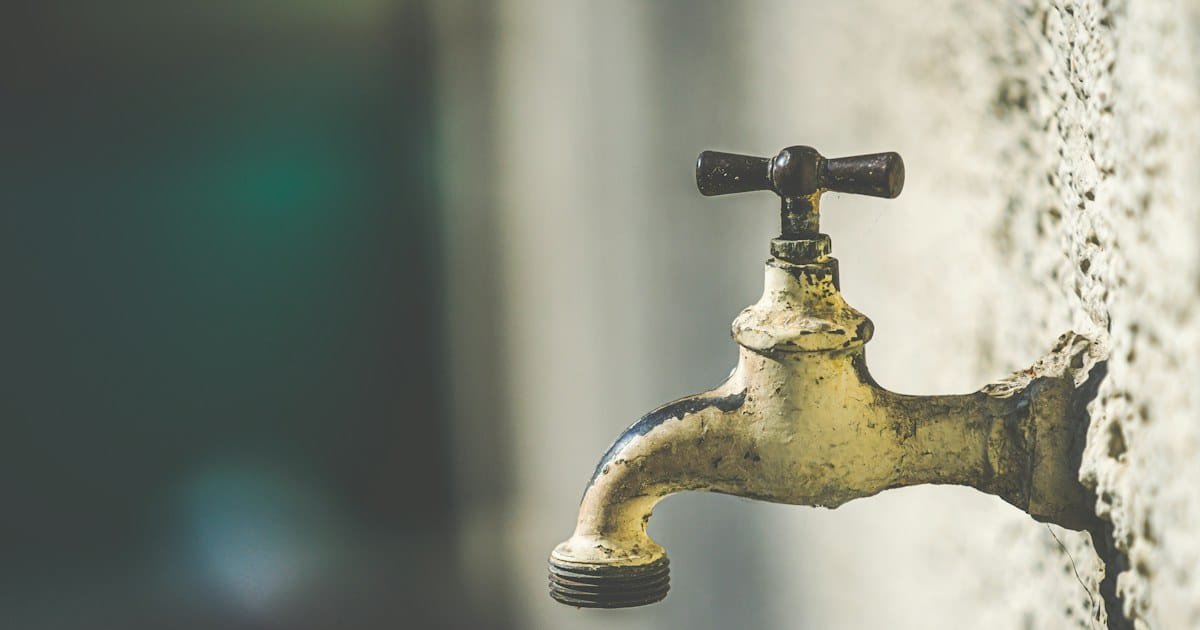
Locate every outside hose connection
Walk around the house, garage, shed, and any attached workshop to find exterior faucets. Some homes have a hose connection behind shrubs, under a deck, or near an outbuilding that rarely gets used. Locate each one before freezing weather arrives. A faucet with a hose still attached may hold water where it can freeze and expand, even when the indoor plumbing appears fine.
Take a quick photograph or make a checklist so nothing gets overlooked. Disconnect hoses according to the equipment manufacturer’s recommendations and store them after draining. If a connection already looks damaged or leaks around the wall, plan an evaluation rather than assuming colder weather will solve it.
Know the difference between faucet types
An ordinary outdoor spigot and a frost-resistant sillcock may look similar from a distance. A frost-resistant model is designed to place the shutoff mechanism farther inside the protected building envelope, but installation and conditions matter. It is not a guarantee against freezing when a hose remains attached or the wall cavity is unheated.
If you do not know what type is installed, consult the product markings or ask a qualified plumber. Avoid disassembling unfamiliar plumbing just to identify it. Knowing what you have helps determine whether an interior shutoff, draining procedure, or professional replacement is appropriate.
Find the relevant indoor shutoff valves
Some houses have a separate supply valve for each outdoor spigot; others do not. Locate these valves before a sudden cold snap so you are not searching in a dark basement during a leak. They may be near the interior wall penetration or along a nearby branch line. Do not confuse a gas valve or unrelated appliance connection with the water supply.
Operate valves only when you can identify them safely and understand the consequences. Old valves sometimes seize or begin to drip when disturbed. If the control is corroded, inaccessible, or appears unreliable, hire a plumber to address it rather than applying force that could create an emergency.
Drain and protect vulnerable lines
Where the plumbing design includes an interior isolation valve and proper drain arrangement, a professional or knowledgeable homeowner may shut off and drain the exterior branch following the equipment’s instructions. The goal is to avoid leaving a trapped pocket of water exposed to freezing temperatures. Specific steps vary with the installation, slope, and faucet type.
Do not assume that opening an outdoor faucet always empties the entire supply line. Low spots and incorrectly pitched runs can retain water. A plumber can identify whether the system needs a drain, insulation, or a different layout. Protecting the pipe is better than relying solely on a fabric cover after the fact.
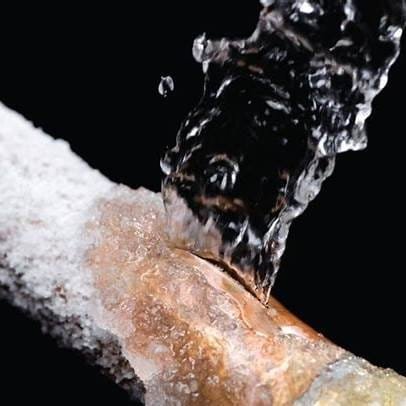
Check unheated spaces
Basements, crawlspaces, garages, and unfinished additions deserve special attention because pipes may pass through areas colder than occupied rooms. Look for exposed sections, openings that admit outdoor air, missing insulation, and damp spots suggesting a current leak. Inspect from a safe, accessible location without moving electrical equipment or entering an unsafe crawlspace.
A small draft striking an exposed pipe can create problems even when nearby rooms remain warm. Seal appropriate building air leaks and use insulation methods suited to the pipe and location. Do not block required ventilation or interfere with combustion appliances. Seek professional help when plumbing or insulation is too close to electrical or mechanical hazards.
Understand when insulation is not enough
Pipe insulation can help slow heat loss, but it does not create heat. In a prolonged freeze, an unheated space may still become cold enough for water to freeze. This is particularly important for abandoned buildings, seasonal cabins, and homes left vacant during travel. Owners need a broader plan involving building temperature, water shutoff strategy, and inspection arrangements.
Never rely on an unattended portable space heater as a pipe protection system. Heating equipment should be operated as intended, with its safety instructions followed. If a house will be empty for an extended time, discuss winterization with an appropriate professional and the insurance provider.
Pay attention to signs of a problem
Reduced water flow, an unexplained wet patch, frost around exposed plumbing, or a new dripping sound may indicate trouble. A pipe can thaw and reveal a leak after the visible ice has disappeared. Learn where the main water shutoff is and keep access clear. If water is escaping, shutting off the appropriate supply can reduce property damage while professional help is arranged.
If electrical equipment is wet or a leak is near outlets or a service panel, avoid the area and contact qualified professionals. Never use an open flame or unsafe heating method to thaw piping. A frozen line is a reason to act carefully, not to improvise with a torch.
Document what you find before calling a plumber
A useful service request includes photographs of the affected faucet, the pipe’s visible route, any interior isolation valve, and the area where water or cold air is entering. Note when the issue first appeared and whether it occurs with water flowing or the faucet closed. These details can help the plumber prepare without requiring you to diagnose the failure.
A photograph should not expose a person to danger. Do not remove panels or insulation around unknown electrical components to get a better picture. If a leak is active, protecting the property and contacting the appropriate service should take precedence over collecting perfect documentation.
Create a fall and spring routine
Winter preparation becomes easier when it is part of a repeatable seasonal routine. In autumn, inspect outside faucets, remove garden hoses, check exposed pipes, and confirm shutoffs. In spring, check for new drips or damage before attaching hoses and running equipment for the season. Keep notes about repairs so future household members know which valve controls each area.
An inexpensive label on a clearly identified water shutoff can be more useful than an elaborate system that nobody remembers. Teach responsible household members where the main shutoff is located and when it should be used. Preventive maintenance is most successful when it can be done consistently.
Know which repairs are not a do-it-yourself project
Repairing a damaged wall penetration, changing a buried supply branch, replacing a seized valve, or altering plumbing near electrical equipment may require professional work and applicable permits. A confident homeowner can still recognize when a job exceeds their skill, tools, or available time. The cost of calling a plumber is often easier to control than extensive water damage.
Use quality replacement parts that match the installation and follow local rules. If you rent the property, report suspected problems promptly rather than modifying building plumbing without authorization. The purpose of a winter checklist is to catch manageable problems early and bring the right help to the more serious ones.
What to keep on the checklist
Record the outdoor faucet locations, disconnect and store hoses, identify the shutoffs, inspect unheated spaces, and address leaks or damaged equipment before deep cold arrives. Keep contact details for a qualified plumber and know where the main water control is located. The U.S. Department of Energy’s weatherization overview reinforces the value of considering the whole building rather than one isolated component.
Preventive checks are worth doing, but no article can guarantee that every building will stay free of frozen pipes. Choose a plan suitable for the property’s exposure and equipment.
Affiliate disclosure: These are paid product links. As an Amazon Associate I earn from qualifying purchases.
Winterization supplies to consider
Outdoor faucet covers and properly sized pipe insulation can be useful seasonal supplies. They are not a guarantee against frozen pipes; follow local plumbing guidance and shut off or drain outdoor lines where appropriate.
- Browse Frost King FC1 outdoor faucet covers (Amazon affiliate link)
- Browse Frost King self-sealing pipe insulation (Amazon affiliate link)
Check fit and installation instructions before buying. These links open Amazon search results, not guaranteed individual product listings.
Keep learning with Handyman Problem Fixer
Want to see more homeowner repair and maintenance demonstrations? Watch the video library or send a project question.


0 Comments