
When the power goes out, a portable generator can keep important equipment running—but a hurried setup can create carbon monoxide exposure, fire hazards and dangers for utility workers. Planning before the storm is much safer than discovering the rules by flashlight.
Never run an engine in an enclosed area
Portable generators release carbon monoxide, an invisible, odorless gas. The CDC advises running a generator outdoors more than 20 feet from windows, doors and vents, with the exhaust directed away from occupied structures. A garage with its door open is not a safe substitute for outdoor placement. Do not run a generator in a basement, shed or carport where exhaust can enter living spaces.
Never backfeed a wall outlet
Plugging a generator into a house receptacle using a homemade double-ended cord is dangerous and can energize wiring unexpectedly. If you want to power building circuits, have a qualified electrician install the proper transfer equipment or approved interlock where permitted and ensure it is compatible with the home’s electrical system. Otherwise, supply individual appliances according to the generator’s instructions.
Use the right cords and loads
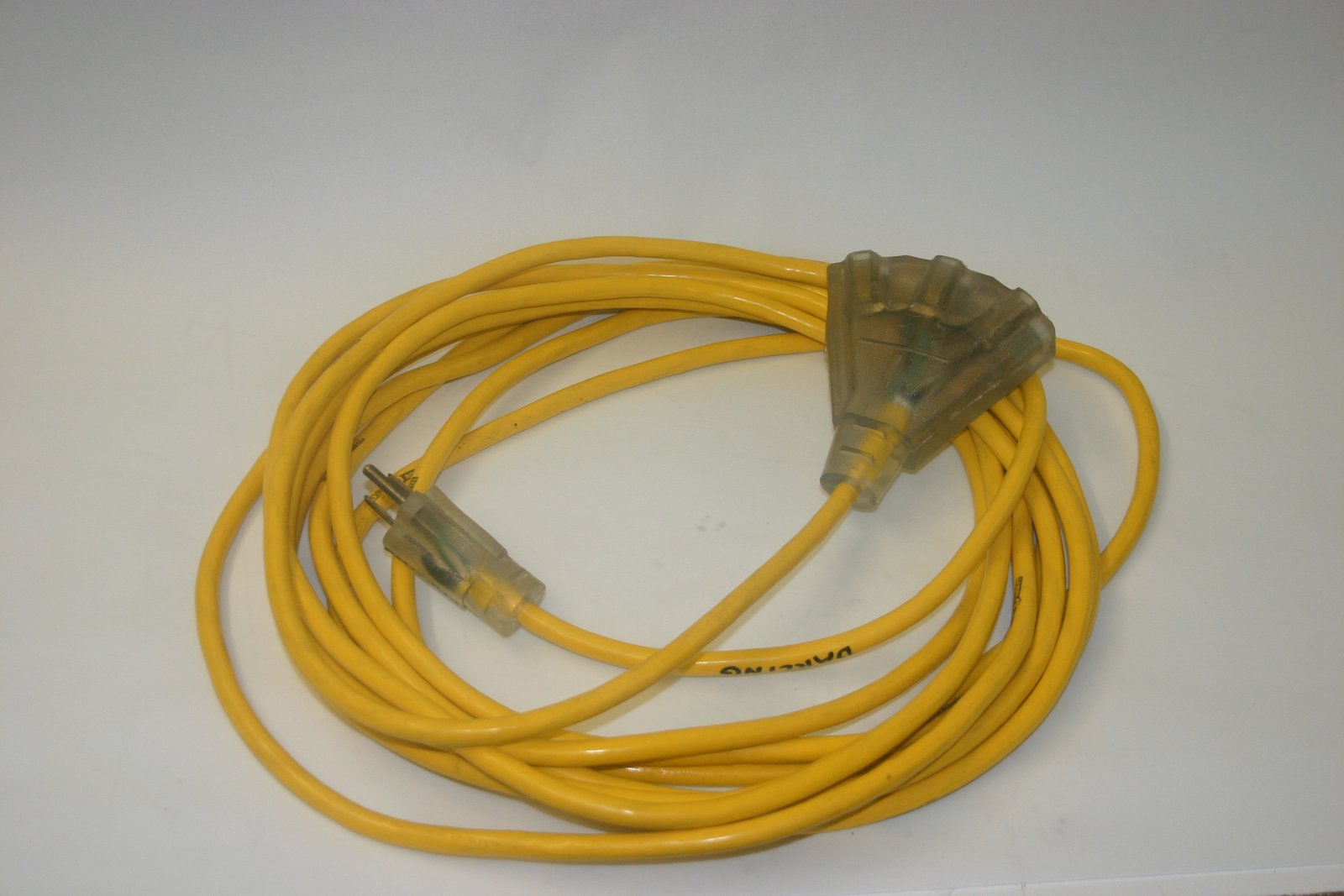
Choose outdoor-rated heavy-duty cords with adequate current capacity and intact grounding contacts when required by the equipment. Keep connections dry and protected from foot traffic. Add up the continuous running wattage and starting requirements of appliances and stay within the generator’s rated limits. Refrigerators and pumps can require more power at startup than their normal running labels suggest.
Handle fuel and heat carefully
Let a hot generator cool before refueling, and store gasoline only in approved containers away from ignition sources and living areas. Follow local fuel-storage rules. Protect the generator from rain with a manufacturer-approved outdoor canopy or enclosure that preserves ventilation; do not improvise an airtight cover. Keep children and pets away from hot engine and exhaust components.
Prepare CO alarms and emergency instructions
Working carbon monoxide alarms provide another layer of protection, but they do not make indoor operation safe. Everyone in the household should recognize alarm sounds, know how to leave promptly and avoid reentering until responders say it is safe. If anyone develops symptoms consistent with CO exposure, move to fresh air and seek urgent medical help.
Build a ready-to-use outage kit
Store the manual, approved cords, a fuel plan, flashlights, battery-powered communications and a written load list together. Practice the setup in daylight under safe conditions. Review the CDC’s carbon monoxide guidance and the generator manufacturer’s manual before using the equipment.
Handyman Problem Fixer shares general homeowner education. Stop work when there is electrical, spring, fuel or fire risk; follow local codes and the equipment maker’s instructions. Product recommendations may become affiliate-supported when suitable links are verified.



0 Comments