
Basement moisture seldom waits for a convenient day. This fall checklist helps homeowners examine gutters, sump pumps, pipes, humidity and warning signs before a winter freeze or heavy storm.
Identify what kind of moisture you actually have
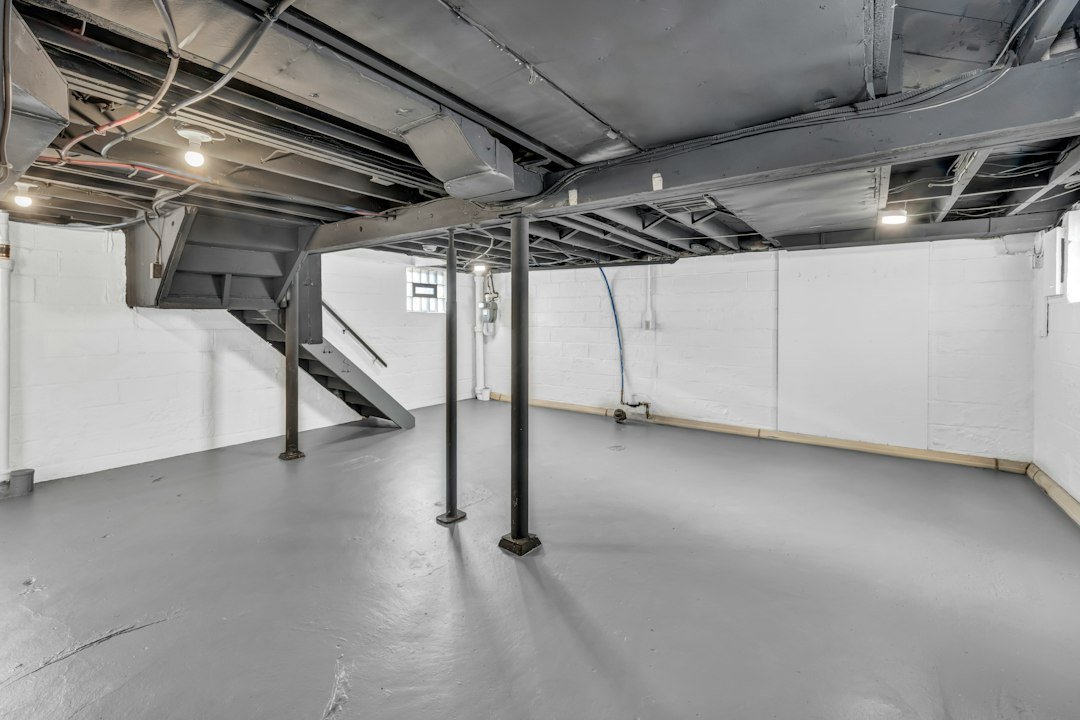
Water in a basement can be a plumbing leak, groundwater seepage, condensation, surface runoff or a combination. The fix depends on finding the source. Begin with a visual walk-through on a dry day and again after heavy rain, if it is safe to enter. Look for damp patches, mineral deposits, peeling paint, warped trim and musty odors. Photograph each area and note the date. A dripping pipe calls for a different repair than moisture appearing at a wall-floor joint. Do not paint over a wet wall or install new flooring simply to cover the stain; doing that may hide the problem until it becomes more expensive.
Begin outside the house
Rainwater management starts above ground. Check whether gutters are clogged and whether downspouts discharge close to the foundation. Inspect the grade along the building to see if soil directs water toward the house. Look for depressions that hold standing water. Walk around the home after a storm to learn where water accumulates, but avoid walking near unstable slopes or exposed wiring. Fixing a detached downspout extension or cleaning a gutter may reduce moisture, but some homes need grading, drainage improvements or professional foundation assessment. Do not assume a sump pump can correct every problem created by bad exterior drainage.
What a sump pump does and does not do
A sump pump typically removes water collected in a pit and directs it away from the building through a discharge line. It does not seal foundation cracks, repair leaking plumbing or automatically address every humidity issue. Some houses have no sump pit, and some older basements rely on other drainage arrangements. Locate the pit, identify the pump’s power source and trace where the discharge pipe exits. Ask whether the pump has a backup and whether the discharge could freeze or send water back toward the foundation. Homeowners should know what equipment they have before testing it.
Inspect the pump without creating an electrical hazard
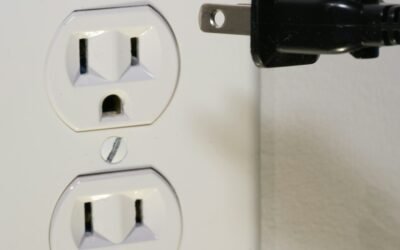
Before any hands-on check, inspect the area for standing water near receptacles, damaged cords, loose connections or a tripped breaker. Never reach into an energized pit or handle plugs while standing in water. If safe and appropriate to the manufacturer’s instructions, a pump’s float can be tested with a controlled amount of water to confirm that it starts and stops and that water actually leaves the discharge line. A buzzing motor without water movement is not a passing test. If the device fails, or if you’re unsure how to test it safely, contact a qualified plumber or pump technician.
Look at discharge, not just the motor
A sump system can appear to run while a frozen, blocked, disconnected or poorly routed pipe prevents water from escaping. Examine the visible discharge route and termination point. The outlet should not create an icing hazard on a walkway or send water directly back to the building. Check local requirements before modifying the routing; discharging into an unauthorized sewer or onto a neighbor’s property may violate rules. In colder Pennsylvania weather, long exposed runs can be vulnerable to freezing. An installer can help assess freeze protection and whether a different routing method is necessary.
Know the power-outage risk
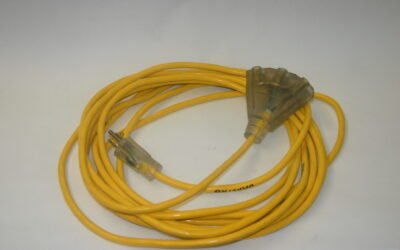
Major rainstorms and wind events can interrupt electricity just when a sump pump is needed most. A standard electric pump will not operate during a blackout unless it has a functioning backup power source. Battery backup systems require inspection and maintenance, and battery capacity varies. Some setups use secondary pumps; others use compatible backup power equipment. Do not improvise with unsafe extension cords, overloaded outlets or fuel-burning equipment indoors. Make sure alarms, charging systems and any emergency power arrangements follow the manufacturer’s instructions. A clear plan should identify who to call if the primary pump fails during a storm.
Distinguish basement humidity from active water entry
Condensation occurs when warm, humid air meets a cooler surface. A wet-looking pipe or damp patch may be condensation rather than foundation seepage. A humidity monitor can help reveal persistent damp conditions, and a properly sized dehumidifier may reduce ordinary indoor humidity. Yet equipment that dries the air does not solve standing water or an active plumbing leak. Watch for persistent musty odors and materials that stay wet. If you suspect mold, extensive water damage or hidden contamination, follow recognized cleanup and professional guidance rather than spreading dust from affected materials.
Protect stored belongings before a problem
Many basements contain cardboard boxes, holiday decorations, spare flooring, tools and important paperwork. Move valuables and absorbent materials away from areas that have shown moisture. Shelving can keep items off the floor, but it will not protect them from a significant flood. Photograph valuable equipment for your records and keep receipts for any repairs. If the basement has a floor drain, do not cover it without understanding its purpose. Water alarms placed at low points or near likely leak locations may provide early warning. Early detection is usually less disruptive than discovering damage during the next holiday gathering.
When to bring in a professional
Call a plumber for uncertain drain, supply-line or sump equipment problems. Consult a qualified foundation or waterproofing professional when water repeatedly enters through walls or joints, when cracks are widening or when the floor is moving. An electrician should evaluate unsafe wiring, outlets or electrical equipment near moisture. If water may be contaminated by sewage, avoid entering it and get appropriate assistance. Professional estimates should explain the suspected cause and the actual scope of work, not merely promise a permanently dry basement without evidence. Comparing diagnoses can be as important as comparing prices.
Your 15-minute monthly routine
Pick a consistent day to inspect visible pipes, the sump pit area, basement corners and the outside discharge point. Confirm that downspouts remain attached and move water away from the building. Look for new staining, active drips or unusual odors. Check alarms and backup equipment according to the manufacturer’s instructions. Before a major weather event, clear obvious debris from safe-to-reach drainage areas and make sure the basement path is unobstructed. Keep the plumber’s number and a photograph of the pump model available. The goal is not to become a waterproofing contractor; it is to catch small changes before winter weather magnifies them.
Safety and related reading
For emergency flooding preparation consult Ready.gov flood guidance. For more practical home repair guides and videos see Handyman Problem Fixer. Follow equipment manufacturer instructions and local codes; do not attempt electrical work around standing water.


0 Comments