
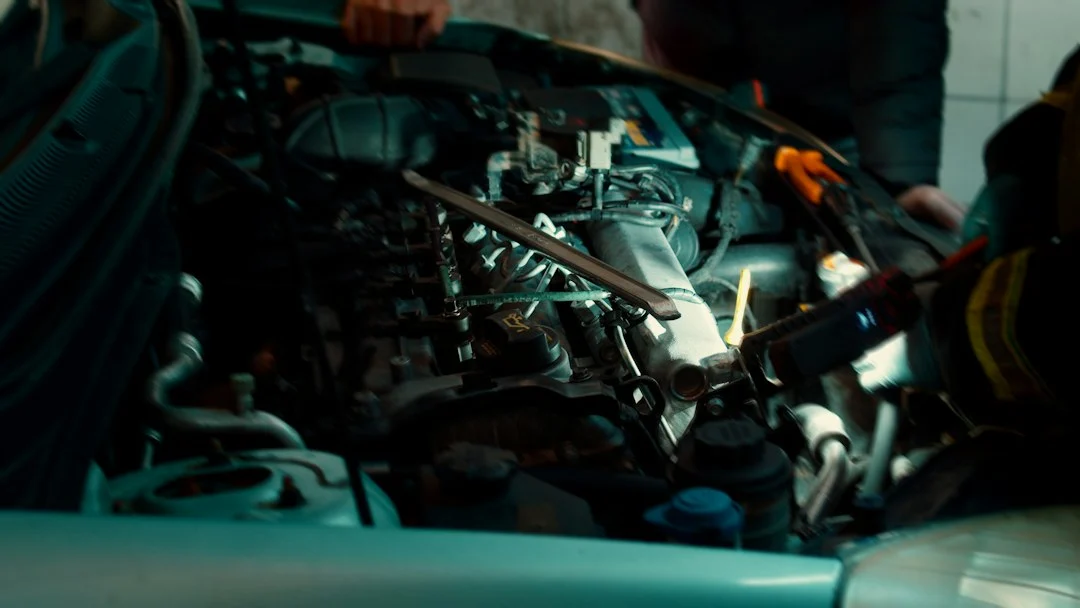
A whining sound when you turn the wheel does not automatically mean the power-steering pump has failed. Hydraulic systems can make noise because of low fluid, aeration, a leaking hose, incorrect fluid or a worn belt. The goal is to confirm the cause before paying for replacement parts.
Identify the system and the sound
First check whether the vehicle uses hydraulic, electro-hydraulic or electric power steering. Electric systems may have no fluid reservoir or belt-driven pump. For a hydraulic system, note whether the noise occurs at idle, during turns, only when cold or continuously. Never put hands near moving belts or pulleys.
Inspect fluid and obvious leaks safely
With the vehicle off and on level ground, follow its owner’s manual for fluid level and inspection procedure. Look for wet fittings, damaged hoses and seepage around the pump, lines and rack. Do not use an incompatible fluid or overfill the system. If the reservoir is low, merely topping it off will not correct the leak.
Check for trapped air and belt problems
Foamy fluid or a changing whine can point toward air in a hydraulic circuit. Some cars have specific bleeding procedures; follow the manufacturer’s instructions rather than turning the wheel against its stops repeatedly. Inspect accessible belt condition with the engine off. A slipping or contaminated belt may create a similar complaint.
Know when to stop driving
Heavy or unpredictable steering, sudden loss of assistance, visible fluid spraying onto hot components, or a belt failure requires prompt professional inspection. Never crawl under an unsupported vehicle. A proper diagnosis may include line pressure testing after basic checks.
Repair decision
Document observations and any leak location before buying a pump. Handyman Problem Fixer shares practical DIY education; vehicle-specific service manuals and qualified technicians control the repair process.



0 Comments