
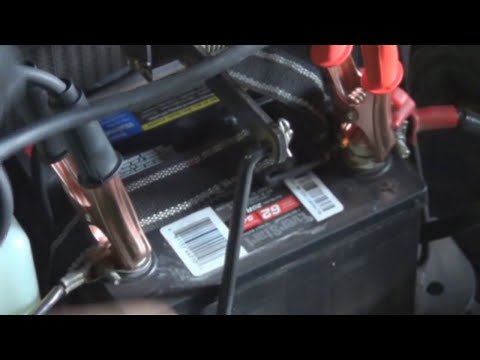
A car battery may show a promising voltage reading while still struggling to deliver the current required to start an engine. In this video, Handyman Problem Fixer demonstrates a battery load tester and explains what it reveals about battery condition.
Watch the Original Handyman Problem Fixer Video

Watch on YouTube. This is an independent written companion guide based on the video description and general repair guidance, not a word-for-word transcript.
Voltage and load tests are different
A multimeter measures voltage under the conditions present when you test. A load test checks how a charged battery behaves when substantial current is drawn. A single voltage number cannot establish overall battery health, especially if the battery is partially discharged or has recently been charging.
Before testing
Confirm the battery type and the tester’s supported battery ratings. Inspect for cracked cases, swelling, leaks, loose terminals, or corrosion. Work in a ventilated area away from sparks and flames, use eye protection, and follow the tester instructions. Do not test a damaged, frozen, or visibly unsafe battery.
Interpreting the result
A tester may display a pass/fail assessment or measured starting capacity. Temperature, state of charge, battery chemistry, and the tester’s procedure all affect results. Recharge a low battery before concluding that it has failed, unless the equipment instructions say otherwise.
If the battery passes but the car still struggles
Consider loose cables, poor ground connections, starter problems, and charging-system issues. Our battery and alternator voltage guide provides related context.
Product links from the original video
Affiliate disclosure: As an Amazon Associate, I earn from qualifying purchases. These links were originally shared with the demonstration and may lead to changed listings. Check current specifications, compatibility, and safety guidance before ordering.
See more tutorials in the Handyman Problem Fixer video library.




0 Comments