
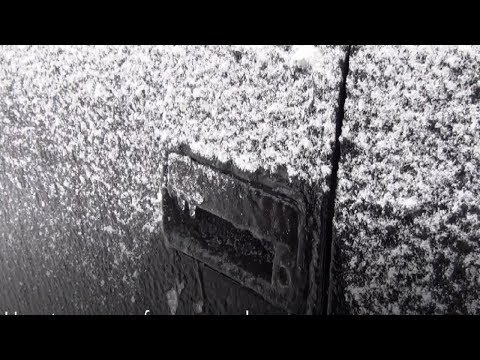
The creator demonstrates a frozen truck lock cylinder after ice coated the vehicle, leaving the key unable to turn. The video description mentions a paint heat gun and warns that it becomes very hot. This companion guide focuses on safer deicing approaches and ways to avoid damage.
Watch the Original Video

Open this video on YouTube. This is a companion guide based on the video’s description with additional general information rather than a verbatim transcript.
Don’t force the key
If the lock cylinder is frozen, extra torque can bend or break the key and create a more difficult repair. Check whether a different door or remote entry works. Don’t repeatedly slam the frozen door or yank fragile weatherstripping.
Use purpose-made deicing options
Automotive lock deicer and gentle, controlled warming are usually preferable to high-temperature heat. Keep flames and boiling water away from locks and painted surfaces. A hair dryer operated in safe, dry conditions can sometimes help, but never bring an electric appliance into unsafe wet conditions.
Heat-gun risks
A paint-stripping heat gun can deliver enough heat to soften trim, damage paint, melt weather seals, and burn skin. Do not concentrate it on the lock or nearby plastic. Follow product safety instructions and prioritize lower-risk deicing methods.
Prevent repeat freeze-ups
Keep seals clean, repair door-drain problems, and use lock and weatherseal products designed for automotive use. Water entry or a worn lock cylinder can make the problem return. A door that still sticks or fails to latch fully should be inspected before driving.
Product links from the original video
Affiliate disclosure: As an Amazon Associate, I earn from qualifying purchases. These are the links originally shared with the video; linked items and availability can change. Check the specifications, fitment, and manufacturer instructions before ordering.
For related demonstrations, visit the Handyman Problem Fixer video library.

0 Comments