
Handyman Problem Fixer | Safety-first DIY guide | October 17, 2026. No product endorsements or affiliate links are required for this article.
An extension cord is a temporary tool
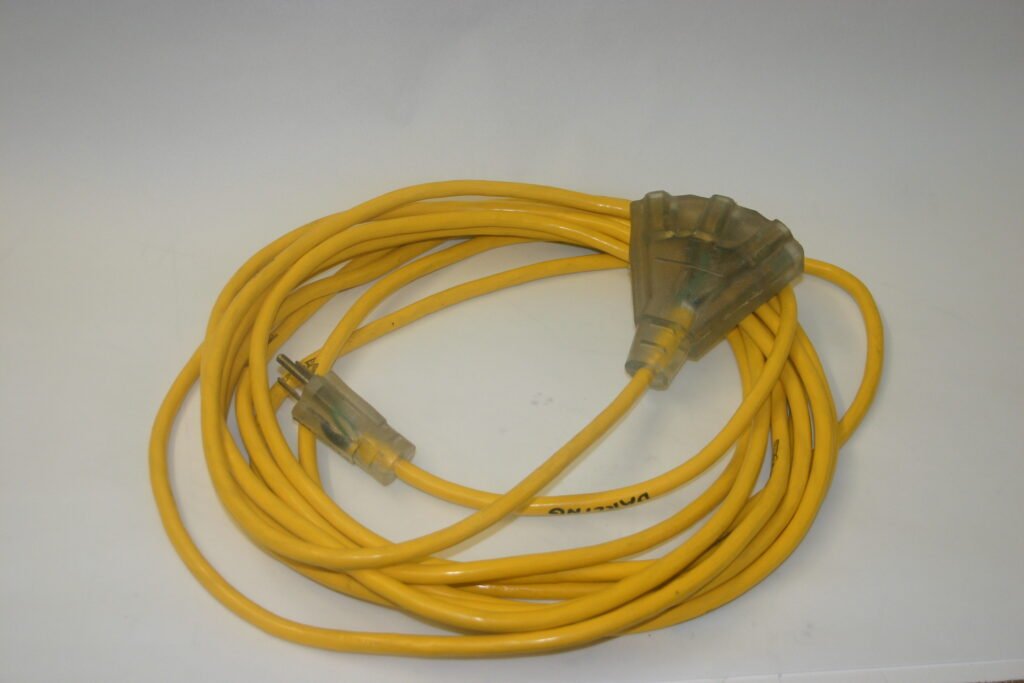
Extension cords are convenient when a lamp, fan or hand tool needs power beyond the reach of its own cable. But an extension cord is not designed to replace a permanent electrical circuit through a wall or behind furniture. The Electrical Safety Foundation International (ESFI) states clearly that extension cords are temporary solutions, not long-term extensions of a home’s wiring. This matters in garages, basements, workshops and older houses where available receptacles may be inconveniently placed. The safer response to a room that always needs multiple cords is to have a qualified electrician evaluate permanent outlet locations and circuit capacity. Adding more cords does not make an overloaded branch circuit safer.
Match the cord to the job
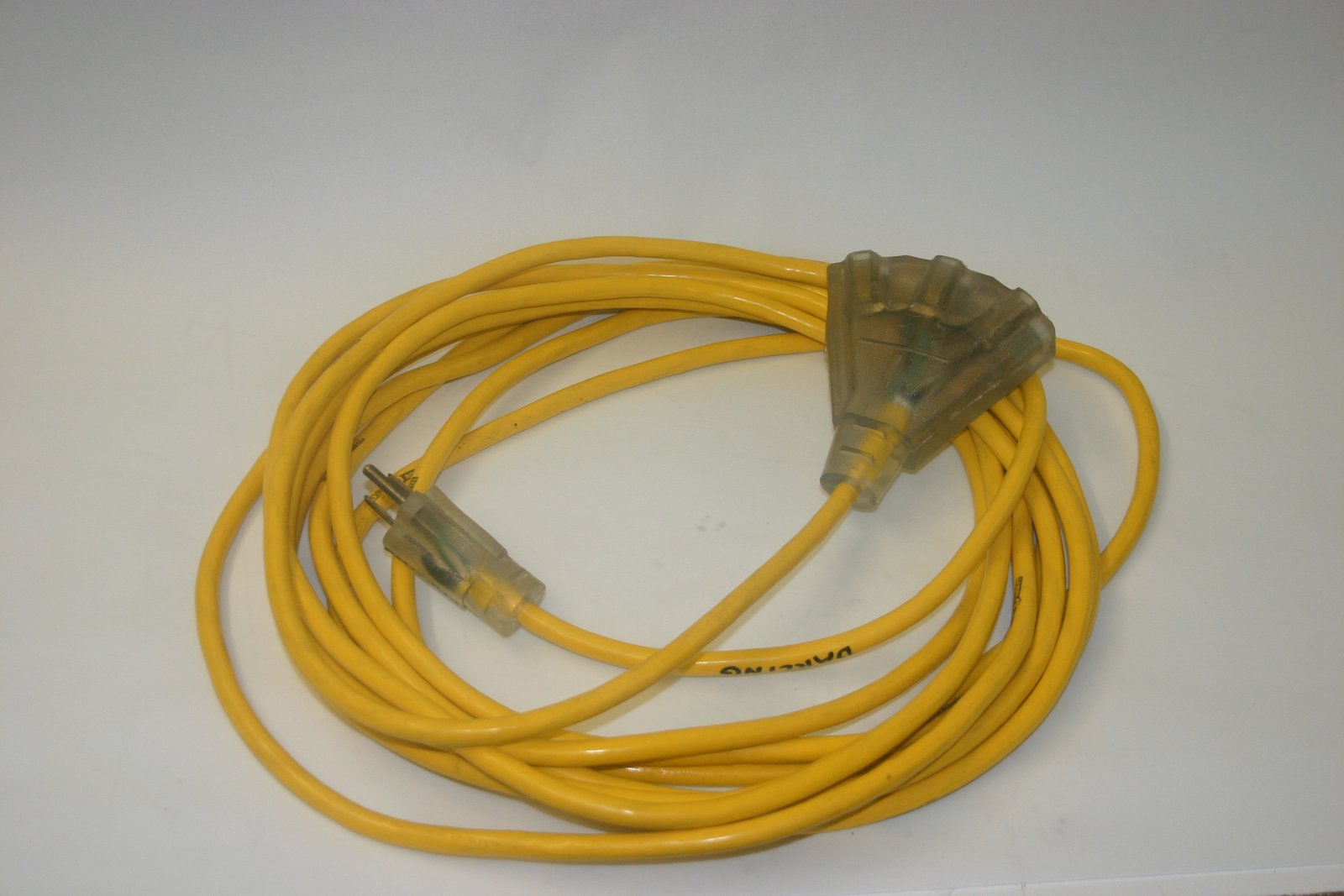
Read the equipment label or manufacturer specifications and compare its electrical demand with the extension cord’s listed rating. A cord used with a small low-power device may not be suitable for a heavy tool or other demanding appliance. Rating information may specify amperage, wattage, conductor size and permitted use conditions. Cord thickness or color alone is not enough to prove suitability. ESFI and the U.S. Consumer Product Safety Commission warn against overloading and recommend cords that are properly rated for the equipment. For outdoor work, the cord should specifically be marked for outdoor use. If you cannot identify the cord’s rating or the equipment requirements, do not assume it is safe to use together.
Inspect the complete cord before plugging it in
Lay the cord out where you can see its length. Look for cuts, abrasions, crushed sections, exposed conductors, cracked housings, loose contacts, melted areas or missing grounding pins. Check whether the plug seats firmly and whether the socket looks damaged. Never cut off a grounding pin to force a three-prong plug into a two-slot receptacle. Do not patch badly damaged insulation with household tape and treat it as repaired. Replace a damaged extension cord with a suitable listed product. The fact that an electrical device still turns on does not prove the cable is sound. If a cord or plug becomes unusually hot, stop using it, disconnect power safely and investigate before use resumes.
Keep cords out from under rugs and doorways
Running a cord beneath a rug, carpet or upholstered furniture can hide damage, trap heat and create a tripping hazard. Passing it through a closed door or window can pinch insulation, while stapling or nailing a cord may damage conductors. CPSC and ESFI warn against these practices. Instead, choose a work location and an outlet that allow a clear, temporary cable route without people stepping on it. If there is no practical safe route, reconsider the setup. A permanent installation should be handled by an electrician who can assess cable protection, outlet placement, circuit load and code compliance. A cord in an attractive decorative cover is not automatically a lawful permanent wiring method.
Why daisy-chaining cords or power strips is a bad idea
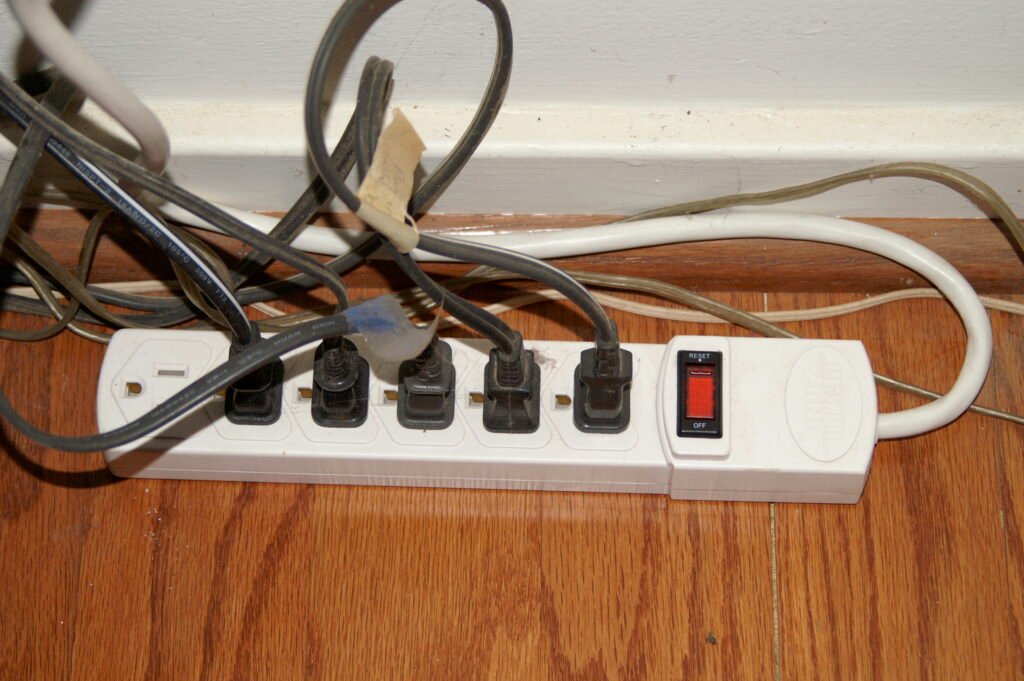
Connecting one extension cord to another or plugging power strips into power strips adds connection points that can overheat or be overloaded. It also makes it harder to track the combined electrical demand. ESFI advises against daisy-chaining. A power strip is not a source of additional circuit capacity; it simply provides more places to connect equipment to the same underlying supply. Surge protection, if present, does not change the branch circuit’s capacity. When several devices need power, evaluate their ratings and whether they should be spread across appropriate permanent outlets. Avoid improvising a chain of adapters to make a large garage project ‘work for now,’ because temporary solutions often end up remaining for years.
Do not power major appliances from an ordinary extension cord
The U.S. Fire Administration warns against using extension cords with major household appliances such as washers, dryers, refrigerators and stoves. These appliances should generally connect directly to appropriate wall receptacles in accordance with their installation instructions. Portable space heaters also create particular concerns, and many safety agencies recommend direct connection to a suitable receptacle without an extension cord or power strip. The high demand can stress a cable or connection that appears fine at first glance. If the machine’s cord does not reach the correct outlet, the fix is not to stack adapters; consult the manufacturer’s installation guidance and have the electrical layout evaluated by a qualified professional.
Outdoor moisture changes the risk
Garden tools, holiday decorations and temporary outdoor work expose connectors to wet grass, rain, snow and puddles. Use only cords marked for outdoor conditions and protect connectors from weather in accordance with the equipment instructions. The Electrical Safety Foundation International recommends GFCI protection for outdoor extension-cord use. Keep cords out of standing water and avoid dragging damaged plugs across wet pavement. A cord that was rated for outdoor use when new may still be unsafe when its insulation has been cut, crushed or aged. Do not leave a temporary setup energized unattended through shifting weather. For regular exterior power needs, a properly installed outdoor receptacle and weatherproofing designed for the location are better long-term choices.
The difference between cord rating and circuit rating
A heavy-duty extension cord cannot upgrade an undersized household electrical circuit. Even if the cord is rated to carry the load, the outlet and branch circuit must also be suitable for the equipment. Tripped breakers, dimming lights, hot receptacles or persistent nuisance shutdowns deserve investigation rather than repeated resets or larger fuses. Do not replace a protective breaker with one of a higher rating to stop nuisance trips. Proper electrical protection depends on wiring capacity and equipment design, not convenience. When the required circuit rating is unclear, ask an electrician to determine whether the available outlet is appropriate. A cord can add reach; it cannot create safe new amperage.
How to store cords so they remain usable
Disconnect a cord by gripping the plug rather than pulling the cable. Let it cool if it has been under normal use; if it has become abnormally hot, stop using it permanently until a qualified assessment or replacement. Coil it gently without sharp bends, kinks or crushing loads. Store it dry, away from vehicles, sharp edges and extreme heat. Before the next use, inspect it again instead of assuming a cord was safe because it worked last month. Keep labels and manufacturer information when possible, especially for several similar cords in a workshop. Avoid wrapping a powered cord into a tight coil during use because it can hide damage and heat accumulation.
A quick homeowner decision checklist
Is the use genuinely temporary? Is the cord marked for the location and rated for the actual equipment? Does it have intact insulation and the necessary grounding arrangement? Will the route stay clear of water, rugs, doors, wheels and foot traffic? Are you avoiding multiple connected cords and overloaded strips? Is the appliance’s manufacturer allowing an extension cord for the proposed use? Are the outlets and circuit appropriate? If any answer is uncertain, pause and find a safer way to power the equipment. For recurring use, a qualified electrician can provide a more reliable permanent solution.
Sources and limitations
This guide was developed with the Electrical Safety Foundation International’s extension-cord safety recommendations, CPSC guidance on faulty cords and power strips and the U.S. Fire Administration’s appliance and electrical guidance. Electrical hazards can cause injury or fire. This article is not a substitute for equipment-specific instructions or qualified electrical work.
A garage project example: choosing power without guessing
Imagine using a corded power tool in the driveway because the nearest wall outlet is inside the garage. Before connecting it, identify the tool’s electrical rating and the extension cord’s listed rating, length, conductor size and outdoor suitability. Check that the cord is undamaged and that the outlet provides the appropriate protection. Route it away from wheels, doors, sharp edges, walkways and standing water. Avoid connecting a second extension cord simply because the first one is too short. If the safe route cannot reach the job location, move the equipment or arrange another appropriate supply instead of compromising the setup. Read the tool’s manufacturer’s instructions, because certain equipment may impose specific cord-size or length limits that generic advice cannot replace.
Now imagine using the same cord for holiday lighting near snow or rain. A cord rated for temporary outdoor service still needs weather-appropriate plugs and connections and should not be left vulnerable to water intrusion. Use equipment and GFCI protection appropriate to the site. Secure the routing without staples, screws or sharp bends that could cut the insulation. Keep electrical products away from areas where people shovel, drive or move heavy outdoor furniture. If the installation will remain for months, ask an electrician about a proper permanent receptacle and outdoor-rated installation rather than considering a temporary extension cord a complete substitute.
When the right purchase is not another cord
Multiple extension cords in one room can indicate an electrical layout that no longer suits the building’s needs. Consider whether frequently used equipment could be moved closer to a suitable outlet or whether the location needs a new professionally installed receptacle. An electrician can evaluate available circuits, load capacity, grounding and protection without asking a homeowner to guess from the breaker label. New outlets are not simply a matter of choosing a convenient spot; appropriate wiring and code requirements matter. The practical long-term goal is to reduce temporary connections and provide safer access to power where people actually work. A cord is a helpful accessory for a defined short-term task, not a building upgrade.





0 Comments